No Poker Face? No Worries: How Aussie Players Read the Room in Live Dealer Games
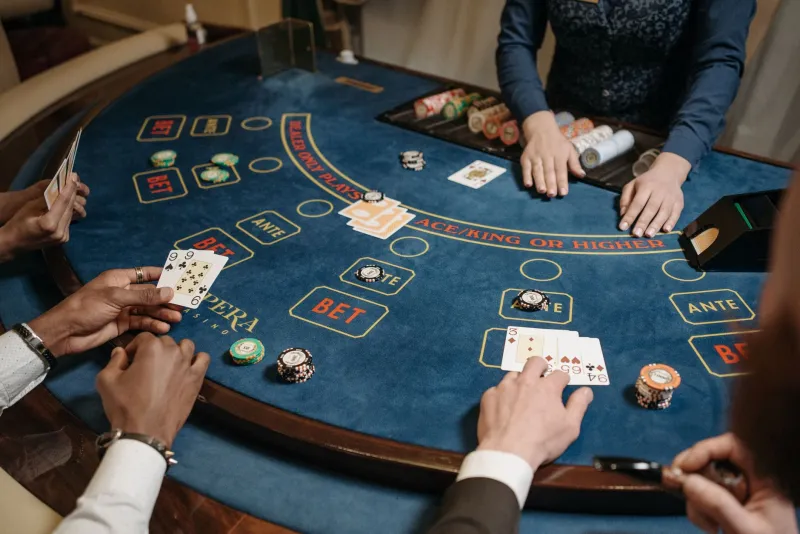
Anyone who's ever played cards at a mate's kitchen table knows the drill. You're not just watching the cards — you're watching them. The bloke who fidgets with his chips when he's nervous. The one who goes dead quiet right before he raises. The classic Aussie card game environment is basically a masterclass in reading people, and it's been that way forever.
But slide that same game onto a live dealer platform, and suddenly the rulebook gets rewritten. There's no fidgeting to clock, no eye contact to hold, no nervous laugh to catch. So how do you read an opponent you can't actually see?
Turns out, you learn a whole new language.
From the Pub Table to the Live Stream
Australian card culture runs deep. Whether it's a casual game of 500 at a family barbie, a late-night poker session at the local RSL, or a proper tournament at a mate's place, Aussies grow up learning to read social signals as part of the game. That cultural muscle memory doesn't just disappear when you log into a live dealer lobby — it adapts.
The transition to live dealer gaming is a bit like moving from a local footy oval to a stadium. The rules are the same, but the environment demands a different kind of awareness. Instead of body language, you're reading behaviour. And behaviour, even online, leaves plenty of tracks.
Timing Is Everything — And It Tells You More Than You'd Think
Here's the thing about live dealer games that a lot of casual players overlook: the pace of decision-making is incredibly revealing.
When someone at a live blackjack or baccarat table consistently makes their calls within a second or two, they're either very experienced, very impulsive, or they've got a locked-in system they're following. When someone hovers on a decision — especially during a hand where the stakes are clear — that hesitation means something.
Aussie players who come from a poker background often apply this instinctively. In local games, a long pause before a call can signal uncertainty. In live dealer environments, the same logic holds, just filtered through a digital interface. Most platforms show bet placement timing in real time, and if you're paying attention, patterns emerge fast.
A player who bets quickly after a dealer bust? Probably riding confidence. Someone who waits until the last second of the countdown? Worth watching for inconsistency in their bet sizing — that's often where the real story is.
The Chat Box: Underrated Intel
Let's talk about the live chat feature, because it's wildly underused as a strategic tool.
Most players treat the chat box like a social nicety — a place to say "nice hand" or drop a quick emoji after a big win. But for players who are paying attention, it's a behavioural goldmine.
Here's what to look for:
- Who goes quiet after a loss? Players who suddenly stop chatting after a bad run are often tilting — and tilting players make messier decisions.
- Who ramps up the chat after a win? Overconfidence after a hot streak can lead to bigger, sloppier bets. Watch for bet size spikes that follow enthusiastic chat activity.
- Who's chatting with the dealer versus the table? Dealer-focused chatters are often more socially motivated than strategically focused. They're there for the experience, which usually means they're less calculating about their play.
None of this is foolproof, obviously. But it adds texture to your read of the table, and in a game where every edge matters, texture counts.
Playing Against International Fields — The Aussie Advantage
One of the genuinely interesting wrinkles of live dealer gaming is that you're frequently sitting at a table with players from all over the world. European players, Southeast Asian regulars, North American night owls — it's a genuinely global mix.
And here's where Australian players often have a quiet advantage: cultural adaptability.
Aussies, by and large, are comfortable with a wide range of social styles. We've grown up in a multicultural environment, and most of us have learned to read people across different cultural registers. That skill translates surprisingly well to a mixed live dealer table.
For example, betting aggression looks different across cultures. Some player communities tend toward conservative, pattern-based betting. Others are more reactive and emotional. Knowing that — even roughly — can help you calibrate your own strategy in response.
It's not about stereotyping. It's about recognising that different playing styles carry different rhythmic signatures, and the more tables you sit at, the better your ear for those rhythms gets.
Rhythm and Game Flow: The Underrated Tell
Beyond individual players, the table itself has a rhythm — and experienced live dealer players learn to feel it.
A table that's running hot (multiple player wins in a row) tends to attract higher bets and more aggressive play. A table in a cold streak often sees players tighten up or drift away. These shifts in collective energy affect how the remaining players behave, and adapting to those shifts is a genuine skill.
Local pub card culture actually prepares you for this better than you might realise. In a group game, you're always reading the room — who's up, who's frustrated, who's about to do something reckless. The same awareness applies at a live dealer table. You're just reading it through bet patterns and timing instead of body language.
Practical Tips for Sharpening Your Live Read
If you want to actually put this into practice rather than just nod along, here are a few concrete starting points:
Watch before you play. Most live dealer platforms let you observe tables before joining. Spend five minutes watching. Clock how players are betting, how fast they're deciding, whether anyone's chatting. Get a feel for the table's personality before you buy in.
Track bet sizing patterns. If a player consistently bets a certain amount and then suddenly doubles or halves their stake, something's shifted for them — confidence, bankroll pressure, or strategy. Note it.
Use chat deliberately. A well-timed comment after a big hand can prompt a reaction that tells you something. How someone responds to good-natured table chat often mirrors how they respond to pressure.
Keep your own patterns unpredictable. Everything that applies to reading others applies to how others read you. Vary your timing occasionally. Don't always bet at the same pace. Give people less to work with.
The Bottom Line
The Aussie card player's instinct for reading people doesn't become useless online — it just needs recalibration. The tells shift from physical to behavioural, from visible to rhythmic. Timing replaces twitches. Chat patterns replace eye contact. Bet sizing becomes the new poker face.
For players who take the time to tune into these signals, live dealer games offer a genuinely rich strategic layer that goes well beyond just knowing the rules. And for Aussies who've grown up playing cards in social environments where reading the room is half the game? That foundation is already there.
You just have to learn to listen differently.